
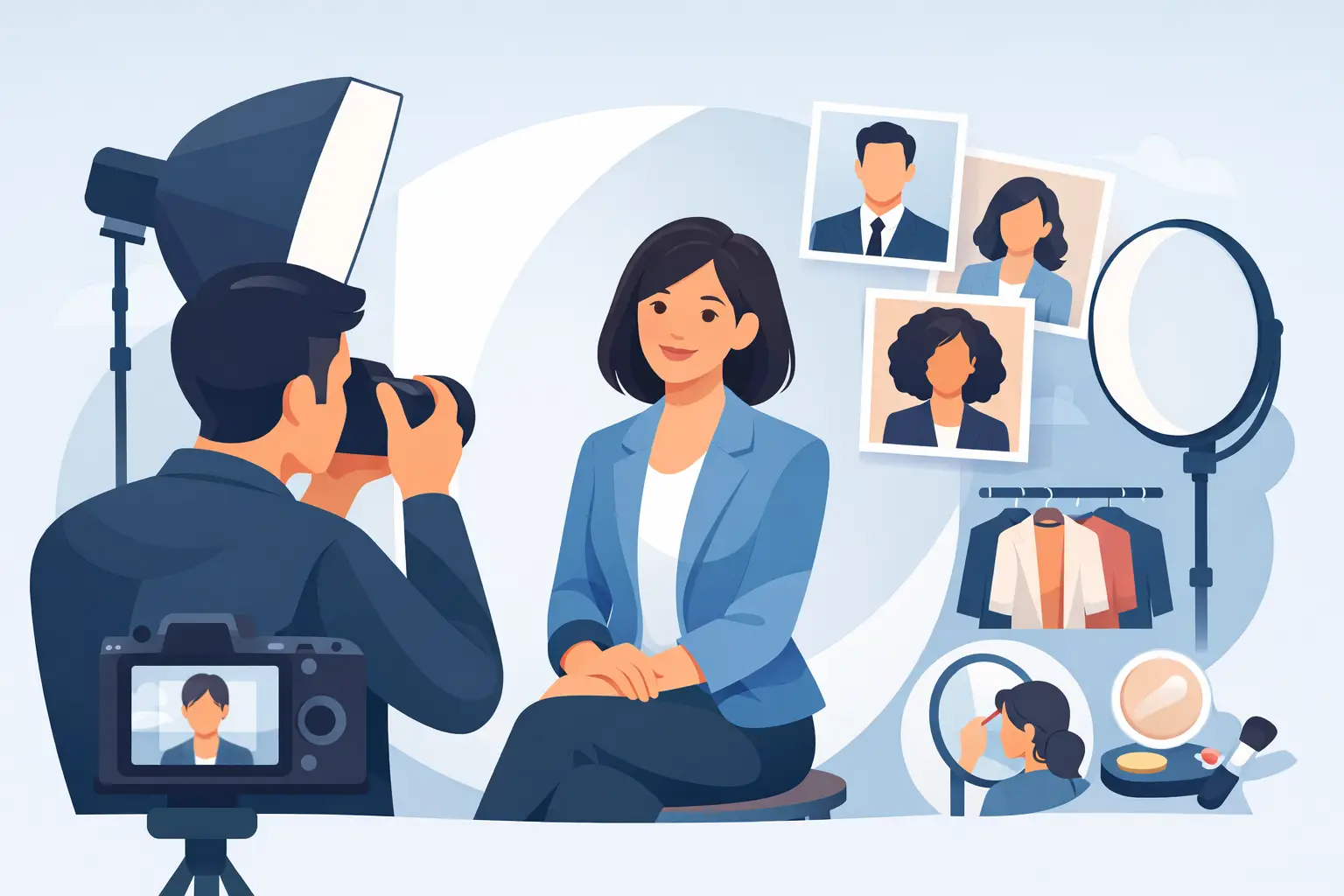
A great headshot usually gets judged in seconds. Before someone reads your resume, checks your experience, or decides whether to contact you, they see your photo and make a quick call about confidence, credibility, and approachability. That is why a professional headshot session guide matters – not just for actors or executives, but for anyone who needs to look polished and believable online.
The good news is that a strong headshot is not about being naturally photogenic. Most people who book a session feel awkward at first, have no idea what to do with their hands, and worry that their smile will look forced. A good session fixes that with planning, coaching, and a setup that suits how the image will actually be used.
What a professional headshot session is really for
A headshot is not just a nice portrait with clean lighting. It has a job to do. For a corporate profile, it should look trustworthy and polished. For a realtor, it needs to feel friendly, capable, and market-ready. For an actor or model, it has to show presence without looking overworked. For an entrepreneur, it often needs to balance professionalism with personality.
That purpose affects almost every decision in the session, from wardrobe to background to expression. A plain studio backdrop may be the right choice for a LinkedIn update or company website. An environmental setup might make more sense for a personal branding image where you want warmth and context. Neither option is automatically better. It depends on where the image will live and what impression it needs to create.
Before your professional headshot session
Preparation makes a visible difference, but it does not need to be complicated. The goal is to remove distractions so you can show up focused and relaxed.
Start with clothing. Solid colors usually photograph better than busy patterns because they keep attention on your face. Mid-tone and darker shades are often a safe choice, but the best color depends on your skin tone, hair color, and brand. A lawyer, consultant, or corporate team member may want clean, classic tones. A creative professional might have more room to bring in color or texture. Whatever you choose, make sure it fits well and feels like something you would actually wear in your professional life. If the outfit feels foreign, that discomfort tends to show.
Bring options if you can. One more formal look and one slightly more relaxed look gives flexibility without turning the session into a fashion shoot. If you wear a jacket, make sure it sits properly through the shoulders. If you wear a shirt that wrinkles easily, hang it up before the session rather than folding it into a bag.
Hair, grooming, and makeup should look like your best normal self. This is not the time for a drastic haircut or a brand-new styling product. If you color your hair, do it far enough in advance that it looks settled and natural. Makeup should reduce shine and even out skin tone without becoming the main feature of the image. For men, trimming facial hair cleanly matters more than most people expect, because a little unevenness becomes obvious in a close portrait.
Sleep and hydration help too. They are not glamorous tips, but they work. Tired eyes, dry skin, and tension in the face are harder to hide than people think.
How to choose the right look for your role
The best headshot is not the most formal one or the most relaxed one. It is the one that matches your field and your audience.
If you work in a corporate setting, clean and polished usually wins. Think neat layers, simple lines, and nothing distracting. If you are a realtor, your image often needs to feel both polished and approachable, since clients are choosing someone they will trust during a stressful decision. If you are job hunting, aim for a look that fits the kind of company where you want to work, not just the one you left. If you are building a personal brand, consistency matters. Your headshot should feel aligned with your website, social profiles, and the way you present yourself everywhere else.
This is where guidance from a photographer really helps. A session should not feel like guesswork. You should be able to talk through where the images will be used, what style fits your industry, and whether a studio or on-location setup makes more sense.
What happens during the session
A lot of people expect the hardest part to be the camera. Usually, the hardest part is the first ten minutes.
That is when most clients are still shaking off nerves and overthinking their expression. They are trying too hard to smile correctly, stand correctly, and hold still. The result is often stiffness. A well-run session is designed to move past that quickly.
You should expect direction. Good headshots rarely come from being told to simply stand there and smile. Small adjustments make a big difference – lowering the shoulders, shifting weight slightly, leaning forward a touch, turning the face a few degrees, relaxing the mouth, or lifting the chin just enough to define the jawline. These changes are subtle, but they affect whether you look engaged and confident or uncomfortable and flat.
Expression matters just as much as pose. The right look is usually not a huge grin or a blank serious face. It is something more natural and controlled. For many professionals, the strongest expression lands somewhere between approachable and capable. For actors and models, the range may be wider depending on the goal of the image.
Lighting does a lot of heavy lifting too. It shapes the face, softens or defines features, and sets the overall mood. This is one of the biggest differences between a quick snapshot and a proper headshot session. Professional lighting is not about making someone look like a different person. It is about showing them clearly and well.
Why posing guidance matters so much
Most people are not bad at photos. They are just under-directed.
When someone says they hate every picture of themselves, what they often mean is that they have only seen photos taken at awkward angles, in poor light, or in moments where no one gave them useful direction. That is why coaching during the session matters. You do not need to know how to pose before arriving. You just need a photographer who can read what is working and help you adjust in real time.
There is also a trade-off between natural and polished. If a photo is too relaxed, it can look casual or unfinished. If it is too controlled, it can feel stiff. The sweet spot is different for each person. Some clients need more movement and conversation to bring out a natural expression. Others do better with very clear, minimal posing cues. A good session adapts to the person instead of forcing everyone into the same formula.
Studio or on-location?
Both can work well, and each has strengths.
A studio setup gives consistency. The light is controlled, the background is clean, and the final image often feels timeless. That makes it a strong choice for executives, teams, company profiles, and anyone who wants a versatile headshot that works across multiple platforms.
An on-location session can feel more personal and less formal. It can also help when your brand benefits from context, such as a workplace, office, or urban setting. The trade-off is that location shoots depend more on weather, timing, and available light. They can look excellent, but they require more variables to line up well.
For clients in Cambridge, Kitchener, Waterloo, and Guelph, flexibility can make the process much easier, especially for team sessions or busy professionals who need images created without a lot of disruption to their schedule.
After the session: selection and editing
The session does not end when the camera goes down. Choosing the right image matters almost as much as taking it.
People often pick the photo where they think they look the most familiar to themselves. That makes sense, but it is not always the strongest professional choice. The better question is how the image reads to someone seeing you for the first time. Does it look confident? Clear? Current? Approachable? Professional?
Editing should polish the final result, not erase personality. A good retouch keeps skin looking like skin, removes temporary distractions, and refines the image without making it artificial. If the editing is too aggressive, the photo may look impressive for a moment but less trustworthy over time. Especially for business use, authenticity matters.
A few mistakes worth avoiding
The most common mistake is treating the headshot like a minor task to check off. When people rush in, wear something that does not fit, or choose a style that does not match their profession, the result usually feels generic.
Another mistake is copying someone else’s look too closely. A headshot should suit your field, but it should still look like you. The strongest images are polished without feeling staged, and professional without feeling cold.
It also helps to avoid outdated photos. If your haircut, age, style, or day-to-day presentation has changed noticeably, your headshot should too. People want consistency between the person they meet online and the person who walks into the room.
A strong headshot does not require you to be a model, and it does not require a dramatic transformation. It requires a clear purpose, thoughtful preparation, and a photographer who knows how to help you look comfortable, credible, and like yourself on your best day. If you go into the session with that mindset, the camera becomes a lot less intimidating and a lot more useful.
One thought on “Professional Headshot Session Guide”
Comments are closed.