
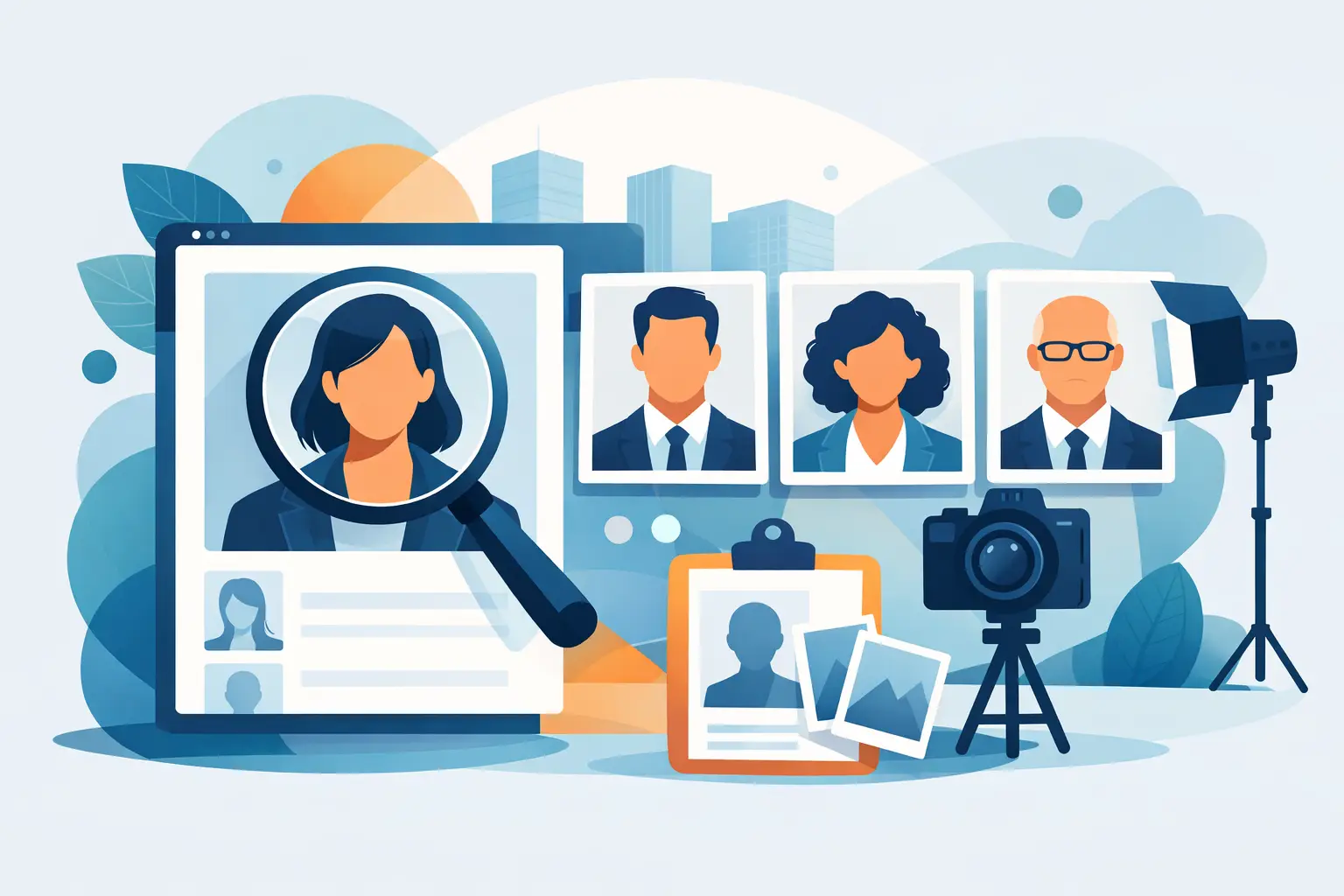
You can have a strong resume, a polished website, and years of experience, but if your profile photo looks cropped from a vacation picture, people notice. That is usually the moment people start asking, what is corporate headshots, and why does every serious business seem to have them?
Corporate headshots are professional portraits used to represent people in a business setting. They are most often seen on LinkedIn profiles, company websites, staff directories, press features, speaking bios, business cards, and marketing materials. The goal is simple: help a person look credible, approachable, and polished in a way that fits their role and brand.
That sounds straightforward, but there is more to a good corporate headshot than wearing a blazer and standing in front of a plain background. A strong image needs the right expression, flattering light, clean retouching, and direction that helps the person look like themselves on a very good day. For many professionals, that last part matters most.
What is corporate headshots really meant to do?
A corporate headshot is not just a photo of your face. It is a business image with a job to do. It should help people trust you, remember you, and feel comfortable reaching out.
For an individual, that might mean looking confident on LinkedIn or more polished on a speaking profile. For a company, it means showing consistency across the whole team. When everyone has a professional image with similar lighting, framing, and style, the business looks more established and organized.
That does not mean every corporate headshot has to look identical or overly formal. A law firm, real estate team, tech startup, and consulting business may all need something different. The best approach depends on where the image will be used and what impression the business wants to create.
What makes a photo a corporate headshot?
The main difference is purpose. A corporate headshot is created specifically for professional use. It is usually framed from the chest or shoulders up, with attention on the face, expression, posture, and wardrobe.
Most corporate headshots use simple backgrounds and clean lighting so the person stands out. The image should feel polished without looking stiff. That balance matters. If a headshot looks too casual, it may not carry enough authority. If it looks too rigid, it can make someone seem distant or uncomfortable.
A professional photographer also pays attention to details that people often miss on their own. Things like glare on glasses, uneven posture, shiny skin, awkward hand placement, or an expression that feels forced can all affect the final result. Small adjustments make a big difference.
Studio vs. on-location corporate headshots
There is no single right setting for every business. Studio headshots are popular because they offer controlled light, simple backgrounds, and a classic look that works in almost any industry. They are reliable, efficient, and easy to keep consistent across a team.
On-location headshots can feel more personal and brand-specific. A modern office, lobby, or workspace can add context and make the image feel less generic. This works well for businesses that want a more approachable or contemporary look. The trade-off is that location lighting and backgrounds need to be handled carefully so the image still looks clean and professional.
Who needs corporate headshots?
Almost anyone who is visible in a professional setting can benefit from one. That includes executives, managers, office staff, entrepreneurs, realtors, consultants, sales teams, and job seekers. It also applies to small business owners who are the face of their brand.
A lot of people assume headshots are only for large companies or high-level leadership. That is not really true anymore. If your name appears online next to your role, your photo becomes part of how people judge your professionalism. In many cases, it is seen before you ever speak to them.
This is especially relevant for client-facing roles. Realtors, mortgage brokers, lawyers, coaches, and service providers often build trust quickly through visuals. A strong headshot helps remove doubt. It suggests you take your work seriously and pay attention to presentation.
Why not just use a phone photo?
Phone cameras are better than they used to be, and for casual content they can work well. But a corporate headshot has different standards. It needs to look intentional, flattering, and consistent with your professional brand.
The problem with DIY photos is usually not image quality alone. It is lighting, lens distortion, posture, expression, and editing. A phone shot taken near a window might be decent, but it rarely matches the polish of a professionally lit portrait. It can also send the wrong message if everyone else on your company website has clean, cohesive headshots and yours looks improvised.
There is also the comfort factor. Most people do not naturally know how to pose for a headshot. They worry about looking stiff, smiling too much, or not knowing what to do with their shoulders and chin. A good photographer guides all of that in real time so the image feels natural instead of awkward.
What a good corporate headshot should look like
A strong corporate headshot should look like you, just at your best. That means confident expression, natural posture, clean styling, and editing that refines the image without making you look overly retouched.
Clothing matters, but it does not have to be complicated. Solid colors usually work better than loud patterns. Fit matters more than price. Your wardrobe should match your industry and the impression you want to give. In some fields, a jacket and dress shirt make sense. In others, a polished business-casual look is a better fit.
Expression is just as important as clothing. The right look depends on your role. Some people need warm and approachable. Others need calm and authoritative. Often the best result lands somewhere in between. This is where session coaching helps, because tiny shifts in expression can completely change how a photo reads.
Retouching should be clean, not obvious
Professional editing is part of the process, but subtlety matters. The goal is usually to reduce distractions, not erase personality. Temporary blemishes, under-eye shadows, flyaway hairs, or shine can be softened while keeping skin texture and natural features intact.
Over-editing is one of the fastest ways to make a corporate headshot feel unnatural. If someone meets you in person and your photo looks like a different person, the image is not doing its job.
What businesses gain from team headshots
For companies, team headshots do more than make a website look nice. They create visual consistency and help people connect names to faces. That can make a business feel more legitimate, especially when clients are choosing between similar service providers.
Consistent team photos also help with recruiting, media features, internal communication, and marketing materials. When a company has updated images ready to go, it is easier to move quickly on everything from proposals to event promotion.
There are practical benefits too. Coordinated headshot sessions can be done in-studio or on-site, which makes the process easier for busy teams. For growing businesses, having a photographer who can match an existing style later on is a real advantage.
How often should corporate headshots be updated?
A good rule is every two to three years, or sooner if your appearance, role, or brand has changed. If your current photo no longer looks like you, feels outdated, or does not match the level you are working at now, it is probably time.
This comes up often when someone changes industries, gets promoted, launches a business, or starts doing more public-facing work. A stronger photo can support that next step better than an old image ever will.
The biggest misconception about corporate headshots
A lot of people think they need to be naturally photogenic before booking a session. They do not. Most professionals are not models, and they are not expected to be. The job of a good headshot session is to create an environment where you feel comfortable enough to look confident and natural.
That means guidance on posture, expression, angles, and even wardrobe choices if needed. It also means a pace that does not make the session feel rushed or uncomfortable. In practice, the best headshots usually come from people who were nervous at the start and relaxed once they realized they were being coached through it.
For professionals in places like Cambridge, Kitchener, Waterloo, and Guelph, that kind of straightforward, comfortable experience matters just as much as the final image. People want photos that look polished, but they also want the process to feel easy.
A corporate headshot is a business tool, but it is also personal. It is the image people use to decide whether you seem credible, approachable, and ready for the role you claim to do. If your current photo is holding you back, a better one does more than improve your profile. It helps you show up the way you already want to be seen.