
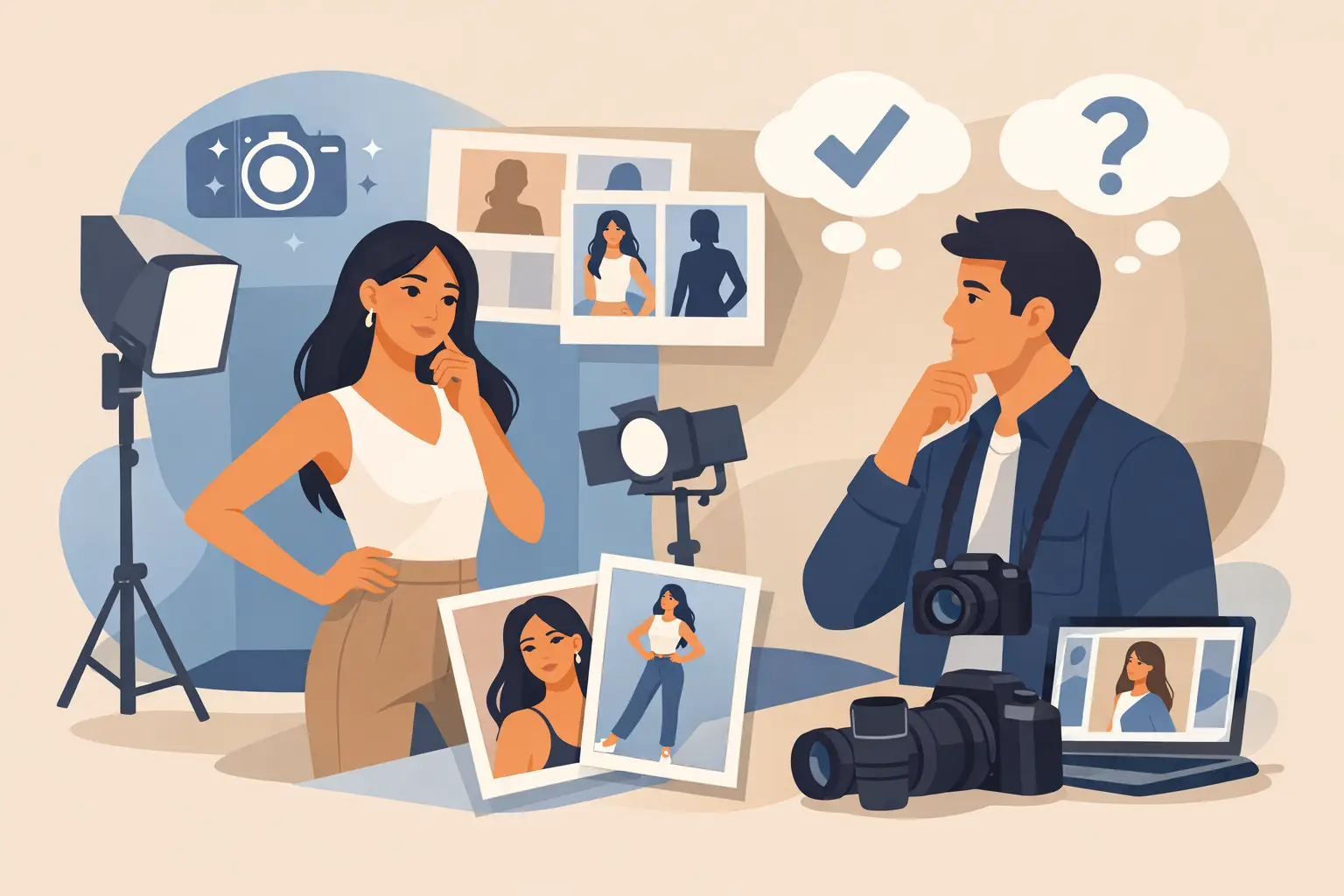
A strong portfolio can open doors fast, but only if the photos actually look like you on a very good day. That is where the right model portfolio photographer makes a real difference. Good portfolio images do more than show your face – they show range, confidence, and how well you can present yourself in front of the camera.
For aspiring models, actors building crossover material, and anyone updating their book, the goal is not to collect a random set of attractive pictures. The goal is to create images that feel current, professional, and useful. A portfolio should help someone casting, scouting, or hiring quickly understand your look and your potential.
What a model portfolio photographer should actually deliver
A portfolio session is not the same as a standard portrait shoot. The photographer is not just trying to make you look polished. They are shaping a set of images with purpose. That means understanding what agencies, clients, and casting professionals usually look for and knowing how to create variety without making the session feel forced.
A good portfolio usually includes clean natural shots, stronger editorial-style frames, and images that show different expressions, angles, and styling choices. Depending on your goals, it may also include full-length images, profile angles, and simple close-ups with minimal distraction. If every photo has the same lighting, same outfit energy, and same facial expression, the portfolio will feel limited even if the images are technically good.
This is also where coaching matters. Many people assume models should already know exactly how to pose, but that is not always true, especially early on. A photographer who gives clear direction can help you avoid stiff posture, awkward hand placement, and the blank expression that shows up when someone is trying too hard.
Why experience matters more than flashy editing
A lot of people choose a photographer because the portfolio looks dramatic or trendy. Sometimes that works, but a model portfolio is usually stronger when the editing supports the image instead of dominating it. Heavy retouching can make skin look artificial and change your features in ways that do not help you in real-world castings.
A better approach is clean, professional editing that keeps you looking like yourself. Skin should look polished but real. Lighting should flatter your face and shape. The final images should feel finished without looking overproduced.
Experience also shows up in small but important ways. An experienced photographer can adjust lighting quickly, notice posture issues before they ruin a shot, and guide expression changes that create variety. They also know when to keep things simple. Sometimes the strongest image in a portfolio is a straightforward frame with clean light, natural styling, and direct eye contact.
How to know if a photographer is the right fit
The best choice is not always the photographer with the most dramatic social media feed. You want someone whose work consistently shows people looking natural, confident, and well-directed. Look for galleries where different clients still look like themselves. That is a good sign the photographer can adapt to the person in front of the camera instead of forcing everyone into one style.
A few things are worth paying attention to. First, check whether the photographer shows range in framing and styling. Second, notice whether the subjects look comfortable. Third, look at whether the images feel current. Modeling portfolios should not look dated or overly filtered.
Communication matters too. A strong photographer should be able to explain what kind of session makes sense for your goals, whether you need studio shots, outdoor images, or a mix of both. They should also be clear about editing, image delivery, and how many final photos you will receive. If the process feels vague before the session, it usually does not get clearer later.
Questions worth asking before you book
You do not need to walk into a consultation knowing industry jargon. You do need to ask practical questions. Ask what type of looks are best for your current stage, whether the session includes guidance on posing, and how much outfit variety makes sense. Ask how the photographer approaches retouching and whether they can help you keep the final set cohesive.
It is also smart to ask how the images will be used. A portfolio for agency submissions may need a different mix than one meant for personal branding, acting crossover work, or local commercial modeling. There is no single formula that works for everyone. A teenager starting from scratch, for example, may need a cleaner and more basic set than someone updating an established book.
If you are local to Cambridge, Kitchener, Waterloo, or Guelph, working with someone who understands the pace and needs of regional creative work can be helpful. Local photographers often know how to balance professional polish with practical turnaround times and accessible session options.
What to wear to a model portfolio session
Clothing can strengthen a portfolio or quietly hurt it. The safest approach is simple, fitted, and intentional. Solid colors usually photograph better than busy prints. Clothes should define your shape without looking overly tight or distracting. You want the focus on your face, posture, and presence.
That does not mean every look needs to be plain. If your target work leans fashion-forward or commercial lifestyle, you can bring variety. The key is to choose outfits that support different looks without turning the shoot into a costume session. A clean tank and jeans, a fitted black outfit, a more polished look, and one fashion-driven option can be enough if each one serves a purpose.
Shoes, grooming, and fit matter more than people expect. Wrinkled clothing, worn-out footwear, or pieces that do not fit well can make an otherwise good image feel less professional. Hair and makeup should generally look controlled and camera-ready, not heavy unless the concept calls for it.
What happens during the session
Most people are more nervous than they expect. That is normal. Being photographed with a purpose feels different than snapping a few personal photos. A good model portfolio photographer will build momentum gradually, starting with easier poses and cleaner setups before moving into stronger expressions and more stylized frames.
During the session, expect direction on posture, chin angle, hands, eye line, and expression. Small adjustments can completely change an image. Turning the shoulders slightly, relaxing the mouth, or shifting weight from one foot to the other can take a photo from awkward to polished in seconds.
This is one reason a relaxed environment matters. If you feel rushed or judged, it shows. The best sessions are professional but comfortable. You should leave feeling like you were guided, not managed.
Studio or outdoor photos?
It depends on what your portfolio needs. Studio photos are clean, controlled, and especially useful for beauty shots, digitals-style images, and polished portfolio basics. Outdoor or on-location photos can add personality, movement, and a more commercial feel.
Many strong portfolios use both. Studio work gives you consistency and simplicity. Outdoor work can show how you photograph in natural light and in real-world settings. The right balance depends on the kinds of jobs you want to pursue.
If you are just starting out, simpler is usually better. You do not need five dramatic locations and elaborate styling. You need a clean set of images that makes your look easy to read.
Red flags to watch for
If a photographer promises to make you look like someone else, that is a problem. Portfolio work should present your strongest version, not invent a new face. The same goes for extreme retouching, confusing pricing, or pressure to buy more than you need.
Another red flag is a portfolio full of only one kind of person or one repeated setup. You want evidence that the photographer can work with different features, comfort levels, and goals. Strong technical skill matters, but people skills matter just as much.
For clients who feel unsure in front of the camera, working with a photographer who can coach without making things feel stiff is often the difference between average images and portfolio shots that really work. That practical, supportive approach is one reason businesses like RP Photography focus so much on comfort as part of the session experience.
The best portfolio photos feel useful, not just impressive
There is a difference between a photo that gets compliments and a photo that helps you get considered. Great portfolio images usually do both, but usefulness comes first. The best shots feel believable, current, and flexible enough to support real opportunities.
When you choose a model portfolio photographer, look past style alone. Look for consistency, direction, clear communication, and an approach that helps you look confident without looking overworked. The right session should give you photos that feel like you, only sharper, stronger, and ready to do their job.
A portfolio does not need to be complicated to be effective. It just needs to be honest, polished, and built with intention.