
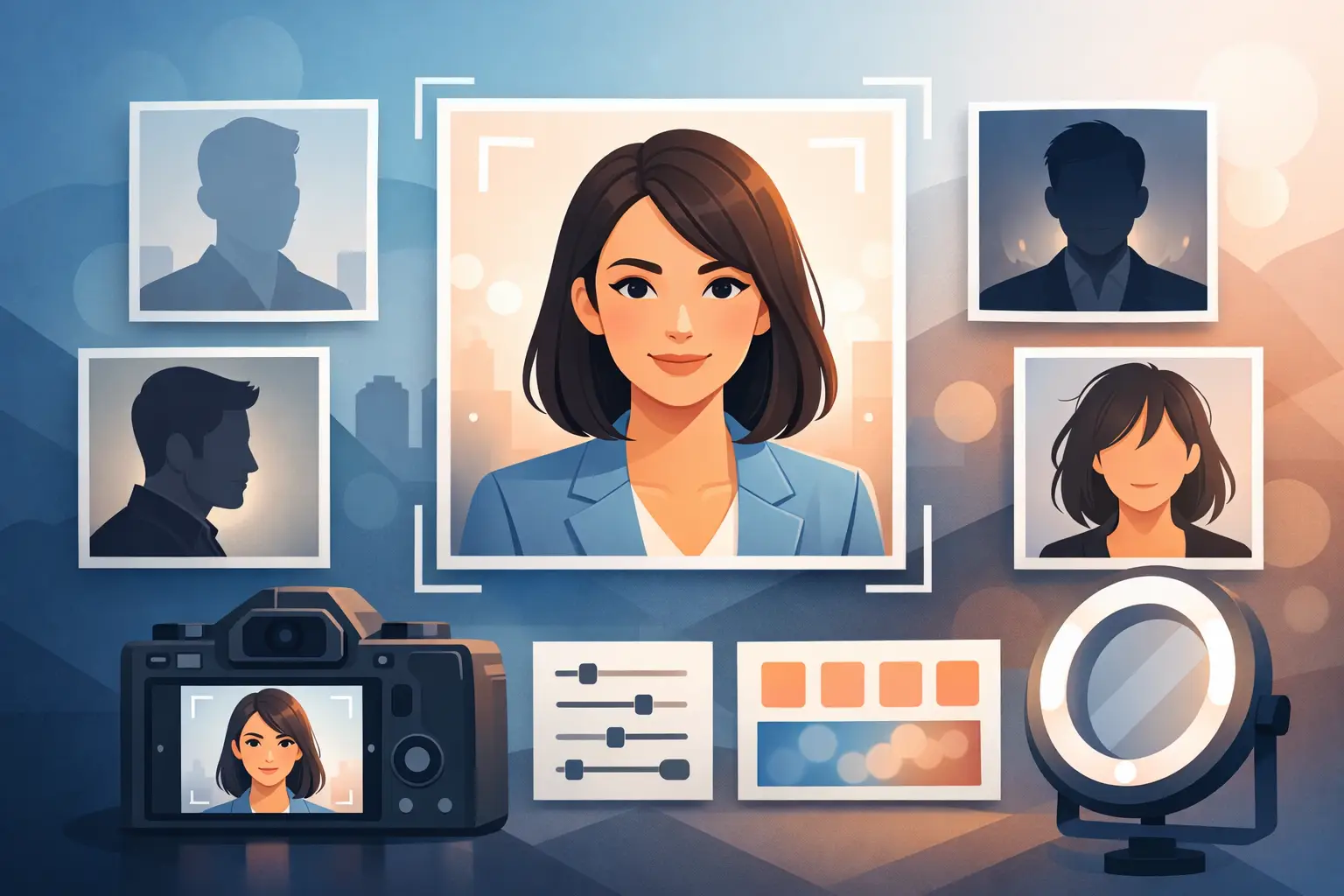
You can usually spot a weak headshot in seconds. The smile looks forced, the posture feels stiff, the lighting is flat or harsh, and the photo says very little about the person behind it. That is why so many clients ask what makes a good headshot before they book. They do not just want a nice picture. They want an image that helps them look credible, approachable, and professional.
A good headshot is doing a job. For a corporate professional, it should build trust. For a realtor, it should feel polished and personable. For an actor or model, it should show presence without looking overworked. The best headshots are not all styled the same way, but they share a few qualities that matter every time.
What makes a good headshot in the first place?
At the most basic level, a good headshot looks like you on your best day. It should feel clean, current, and intentional. Not overly retouched, not stiff, and not so casual that it undermines your goals.
That balance is where many people get stuck. They think a good headshot is mostly about being photogenic, but it is usually more about the setup and guidance. The right lighting, angle, expression, wardrobe, and coaching can make a big difference, especially if you are not used to being in front of a camera.
A strong headshot also fits its purpose. A LinkedIn photo, an executive portrait, a realtor headshot, and an actor headshot all have slightly different standards. The core goal stays the same, though. The image should help someone feel confident about you before they ever meet you.
Expression matters more than most people think
People often focus on hair, makeup, or what to wear first, but expression is usually the make-or-break detail. If your face looks tense, distracted, or uncomfortable, even the best lighting will not fully save the image.
A good headshot has an expression that feels natural and controlled at the same time. That does not always mean a big smile. In some cases, a softer, more neutral look works better. For business professionals, a slight smile often feels warm and confident. For actors, the expression may depend on the type of roles they are targeting. For personal branding, it depends on the message they want to send.
The key is believability. If the expression looks pasted on, viewers notice it right away. This is one reason photographer guidance matters so much. Most people are not great at judging their own expression in real time. Small adjustments in the eyes, jaw, and posture can completely change how the photo reads.
Good lighting shapes the face and sets the tone
Lighting is one of the biggest technical factors behind what makes a good headshot. It affects skin tone, face shape, eye detail, and overall polish. Good lighting should flatter the subject without making the image look fake or overly dramatic, unless that dramatic style is intentional.
For most professional headshots, the goal is clean, flattering light that creates dimension. You want enough shadow to shape the face, but not so much that it becomes distracting. Flat lighting can make a face look wider or less defined. Harsh overhead lighting can create unflattering shadows under the eyes and nose.
This is where professional equipment and experience matter. Studio lighting gives control and consistency, while on-location lighting can work beautifully when it is handled properly. Neither is automatically better. It depends on the look you want, the environment, and how the final image will be used.
A strong headshot feels polished, not overdone
One of the biggest mistakes in modern headshots is trying too hard to look perfect. Heavy filters, aggressive retouching, and trendy editing can make a photo look less professional, not more.
A good headshot should look refined and realistic. Skin can be cleaned up. Temporary blemishes can be softened. Stray hairs, under-eye shadows, and minor distractions can be edited. But if the final photo no longer looks like the person who walked into the session, that creates a trust problem.
This matters even more for business use. When someone meets you after seeing your headshot online, the image should feel accurate. You want to present your best self, not a version of yourself that only exists in editing software.
Wardrobe should support the face, not steal attention
The best headshots keep attention where it belongs, on your face. Clothing still matters, but mostly because it supports the overall impression.
Simple choices usually work best. Solid colors tend to photograph better than busy patterns. Necklines, jacket structure, and fabric texture can all affect how polished the image feels. For corporate headshots, classic and professional is usually the safest route. For personal branding, there may be a little more room for personality. For actors or models, wardrobe should not overpower the subject unless the shoot calls for a specific look.
Fit matters as much as style. A shirt or blazer that bunches, pulls, or sits awkwardly can make the whole image feel off. The goal is not to wear the most expensive outfit. The goal is to wear something that fits well, photographs cleanly, and suits the audience you want to reach.
Background and composition should feel intentional
A good headshot does not need an elaborate set, but it does need a background that works. If the background is too busy or distracting, it pulls attention away from your face. If it is too plain without purpose, the image can feel flat.
The right background depends on the type of headshot. A clean studio backdrop is timeless and versatile. An office or outdoor setting can work well for branding and business portraits when it adds context without clutter. Composition matters too. Framing, crop, eye line, and head position all affect the final result.
This is another area where subtle choices matter. A tiny shift in camera angle can change the appearance of the jawline, eyes, or shoulders. A slightly different crop can make the photo feel more open, confident, or formal. Good headshots are rarely accidental. They look simple because the details were handled well.
Confidence on camera is part of what makes a good headshot
Many people assume the best headshots happen because the subject is naturally relaxed in front of the camera. Sometimes that is true, but more often, confidence comes from the session itself.
A good headshot session should help you settle in quickly. Clear direction, practical posing guidance, and a calm pace make a huge difference. When people know what to do with their shoulders, chin, hands, and expression, they stop overthinking. That is when they start to look more like themselves.
This is especially important for professionals who only get photos taken when they absolutely have to. If someone feels awkward, rushed, or judged, it shows. A comfortable session is not just a nice extra. It is part of the final quality of the image.
The best headshot matches the way you plan to use it
When people ask what makes a good headshot, the real answer is often: it depends on where it is going. A good photo for LinkedIn may not be the same as a good photo for a modeling portfolio or a real estate website.
For business use, the image should look trustworthy, clear, and polished. For entrepreneurs and personal brands, it may need a little more personality. For actors, the goal is often less about looking polished and more about looking real, expressive, and castable. For corporate teams, consistency across multiple headshots also matters.
That is why planning matters before the shoot starts. The strongest results happen when the style, wardrobe, lighting, and expression are all built around a clear use case. A generic headshot can still be useful, but a purpose-driven one usually performs better.
Professional quality shows in small details
Most people cannot always explain why one headshot looks stronger than another, but they can feel the difference. Sharp eyes, clean skin tones, natural posture, thoughtful retouching, and a strong crop all add up.
That is also why quick DIY options often fall short. Phone cameras are better than ever, but they do not replace experience with lighting, lenses, posing, and editing. A professional headshot should feel easy for the client, even though a lot of skill is going on behind the scenes.
At RP Photography, that practical side of the process matters just as much as the final image. People want to look polished, but they also want direction, flexibility, and a session that does not feel intimidating.
If you are choosing new headshots, do not ask whether the photo looks fancy. Ask whether it looks believable, confident, and right for the audience you want to reach. That is usually where a good headshot starts.
2 thoughts on “What Makes a Good Headshot?”
Comments are closed.