
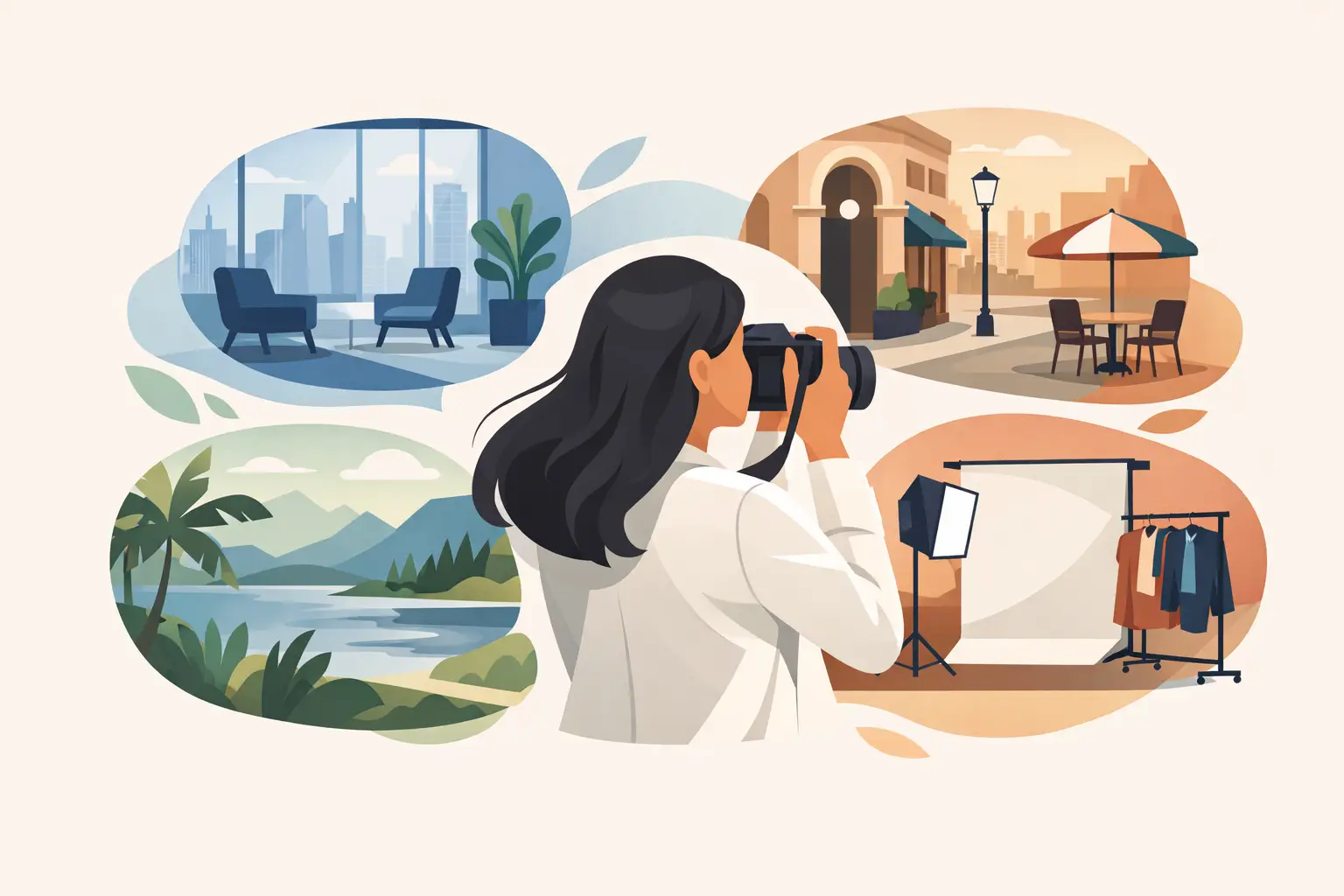
A polished personal brand can lose credibility fast when the photo background feels random. The best locations for branding photos do more than look attractive – they give people an immediate sense of your work, personality, and level of professionalism. Whether you are a realtor, consultant, business owner, actor, or job seeker, the right setting helps your images feel intentional without pulling attention away from you.
The goal is not to find the most dramatic backdrop. It is to choose a location that supports the message you want your clients, employers, or audience to receive. A relaxed coach may benefit from a bright, welcoming space. A corporate leader may need a clean office environment. A creative professional may want more texture and personality.
Start With the Job Your Photos Need to Do
Before choosing a location, think about where the photos will appear. A LinkedIn profile or company bio usually calls for a simpler, more polished setting. Website banners, social media content, speaker materials, and marketing campaigns give you more room to show your workspace, process, and personality.
Your industry matters, but it should not dictate every choice. A financial advisor does not have to stand in front of a wall of filing cabinets, and a realtor does not need every photo taken beside a front door. The location should feel believable for your work while still being visually clean and flattering.
A good photographer will also consider practical details that clients often miss: available light, background distractions, foot traffic, room to move, and whether the setting works with your wardrobe. A location can look great in person and still create busy, awkward photos if those details are overlooked.
Best Locations for Branding Photos by Style
1. A Bright, Modern Office
An office is one of the strongest choices for professionals who want to look established, capable, and approachable. It works especially well for corporate teams, consultants, legal and financial professionals, recruiters, and business owners. A tidy desk, natural window light, neutral walls, and a comfortable chair can create several useful looks in one session.
The trade-off is that not every office photographs well. Harsh overhead lights, cluttered desks, dated furniture, and crowded wall decor can make images feel less polished. Before the session, clear personal paperwork, loose cables, extra monitors, and anything confidential. Leave a few purposeful details, such as a notebook, laptop, or branded materials, to make the scene feel lived-in rather than staged.
2. A Professional Studio
A studio is the most reliable choice when you need clean, flexible images with fewer variables. It is ideal for LinkedIn headshots, team photos, resumes, company directories, acting submissions, and any profile image where your face should be the clear focus.
Studio branding portraits do not have to look stiff. With the right posing guidance, lighting, and subtle changes in backdrop or wardrobe, you can create images that feel confident and natural. This option is especially helpful if the weather is unreliable, your workplace is not photo-ready, or you prefer privacy while getting comfortable in front of the camera.
For many clients, a studio session also reduces stress. You do not have to worry about strangers walking through the background, finding shade outdoors, or managing a busy public space. You can focus on expression, posture, and the message your image sends.
3. A Coffee Shop or Cafe With Character
A thoughtfully chosen cafe can suit entrepreneurs, coaches, writers, realtors, and service providers who want their brand to feel friendly and accessible. A table by a window, a warm wood interior, or a quiet corner can create natural-looking lifestyle images for websites and social media.
This location works best when the cafe is not overly busy and permission has been arranged in advance. The biggest risk is visual clutter: crowded tables, bright signs, and people in the background can compete with your face. Choose a location with clean sightlines, neutral or complementary colors, and enough room to work without disrupting staff or customers.
A cafe should support your story, not become the story. One or two photos with a coffee and laptop can feel natural. An entire gallery built around the same table can start to look repetitive.
4. A Home Office or Styled Workspace
For remote professionals, a home office can make your branding feel honest and relevant. This is a strong option for coaches, designers, consultants, therapists, online educators, and small business owners whose clients expect to work with them virtually.
The room does not need to be large. A clean wall, window light, a desk, a plant, and a few well-chosen accessories are often enough. The key is editing the space before the camera arrives. Remove piles of paper, family photos that do not fit the brand, overly colorful items, and anything that takes attention from you.
If your home does not have a dedicated office, a bright living room corner or dining area may work better. Your photographer can help identify angles that look professional while keeping the rest of the space out of frame.
5. An Outdoor Urban Setting
Downtown streets, modern building exteriors, brick walls, public plazas, and wide sidewalks can add energy without looking casual. These settings work well for realtors, entrepreneurs, speakers, creatives, and professionals who want a more current, active visual style.
Outdoor urban photos need planning. The best light is usually softer in the morning or later in the day, and the background should have depth without becoming distracting. A good location may offer several nearby looks – clean architecture, greenery, textured walls, and a quieter side street – so your gallery has variety.
In Cambridge, Kitchener, Waterloo, and Guelph, a short walk through the right downtown area can provide multiple professional backdrops. The exact spot matters less than light, crowd levels, and whether the location fits your brand.
6. A Park or Green Space
Natural settings can make a professional brand feel grounded, approachable, and calm. Parks, trails, landscaped gardens, and tree-lined paths are useful for wellness professionals, educators, community-focused businesses, and anyone whose work benefits from a warm, relaxed look.
Greenery is flattering when it is softly out of focus behind you, but it is not always the right choice. A formal executive portrait may need more structure than a wooded trail provides. Weather, wind, seasonal changes, and uneven lighting can also affect the session, so have a backup plan.
Avoid locations with patchy sunlight across the face or extremely busy backgrounds. Open shade and simple paths tend to photograph better than a dramatic scene with too much going on.
7. A Client-Facing Business Location
If you own a salon, fitness studio, boutique, restaurant, clinic, or similar business, photographing you in your own space can build trust quickly. It shows clients where they will meet you and gives your marketing images a clear sense of place.
Use the location strategically. Capture a few wider photos that show the atmosphere, then move into tighter portraits where you remain the focus. You might be greeting a client, preparing your workspace, reviewing materials, or standing in a well-lit signature area of the business.
Preparation matters here. Schedule the session during a quieter period, clean the most visible areas, and decide which parts of the space best represent your work. Authentic activity looks great, but the scene should still be organized and camera-ready.
How to Choose Between a Studio and an On-Location Session
Choose a studio when you want consistency, privacy, simple backgrounds, and a highly polished result. It is usually the better choice for headshots and professional profiles where your expression needs to carry the image.
Choose an on-location session when your environment helps explain what you do. This approach is useful when you need website content, social media images, or marketing photos that show more than a close-up portrait. Many professionals benefit from both: a clean studio headshot for profiles and a small set of environmental portraits for their website and brand materials.
Make Any Location Work Better
The best setting still needs a little preparation. Wear colors that work with the background rather than blend into it, and bring one or two wardrobe options if time allows. Keep accessories simple, and choose clothing that lets you move comfortably.
Most importantly, do not feel pressure to know how to pose. Strong branding photos are built through coaching, good light, careful framing, and genuine expression. Your location sets the stage, but your confidence is what makes the final image feel credible.
Choose a place that supports the business you are building, then let the photograph show people the professional behind it.