
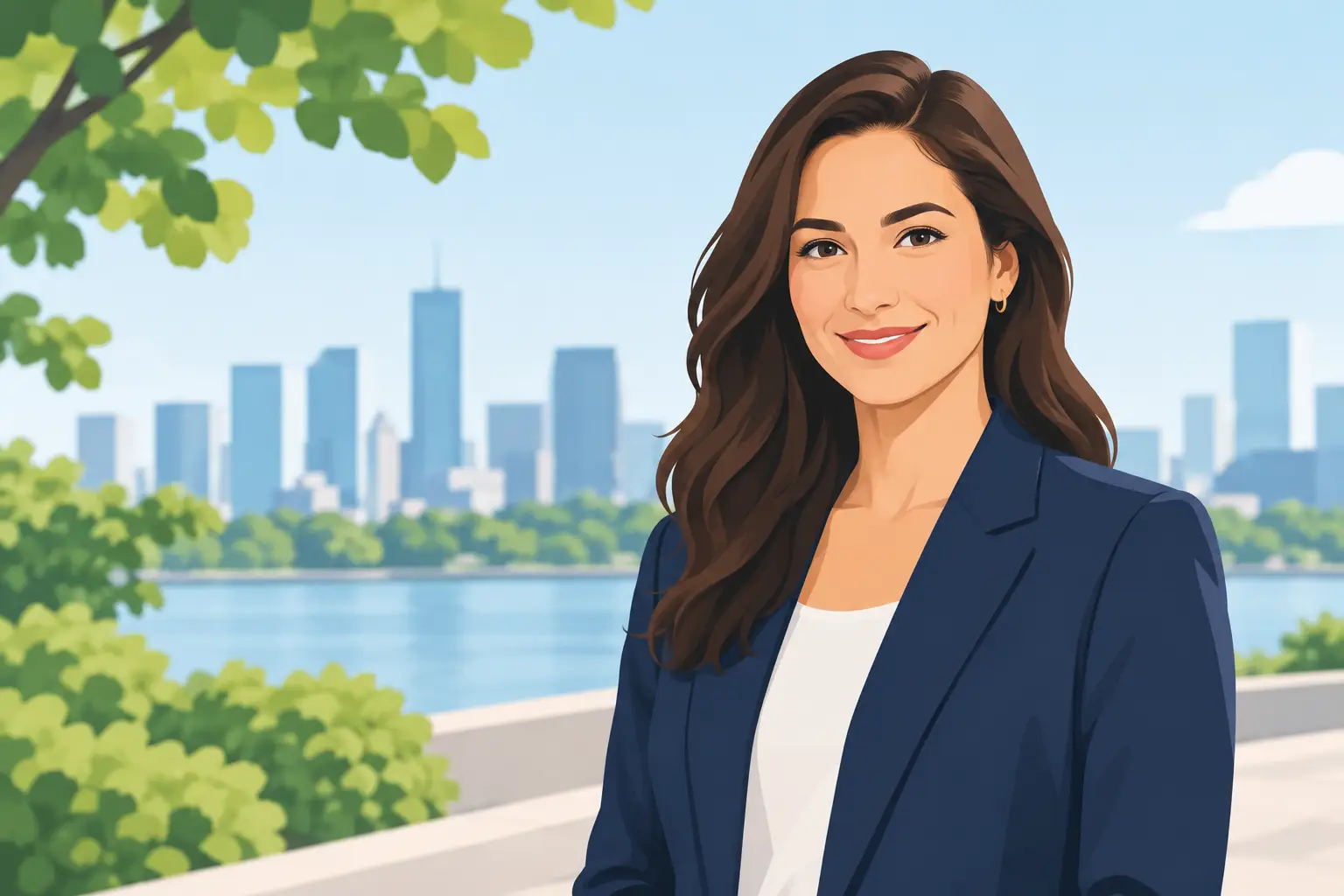
A headshot taken outside can feel less like a formal photo session and more like the confident, approachable version of you people meet in real life. But are outdoor headshots professional enough for a LinkedIn profile, company website, real estate marketing, or an acting portfolio? Absolutely – when the setting, lighting, wardrobe, and final editing support the job the image needs to do.
The outdoor setting itself is not what makes a headshot professional or casual. The difference comes down to intention. A polished outdoor portrait can communicate credibility, energy, and personality. A poorly planned one can look like a cropped vacation photo, even if the person in it is dressed well.
Are Outdoor Headshots Professional for Business Use?
Outdoor headshots are professional when they keep the focus on you. Natural light can be flattering, backgrounds can add depth, and a real-world location can make your image feel more personal than a plain studio backdrop. That can be especially valuable for entrepreneurs, realtors, consultants, creatives, and professionals whose work depends on building trust quickly.
For example, a realtor photographed near a clean, modern streetscape may look connected to the community they serve. A business owner in a bright urban setting may appear accessible and active. A professional working in education, wellness, architecture, or a client-facing role may benefit from an image that feels warm rather than overly corporate.
Still, outdoor is not automatically the right choice. If your company has a strict visual standard, you may need every team member photographed against the same background. If the photo will be used in a tiny employee directory image, a simple studio headshot may read more clearly. For legal, financial, executive, or highly traditional industries, a controlled studio look can also better match audience expectations.
The best question is not, “Should I shoot indoors or outdoors?” It is, “What should someone assume about me within the first few seconds of seeing this photo?”
What Makes an Outdoor Headshot Look Polished
A professional outdoor headshot needs more planning than standing in front of a nice view. The photographer has to manage light, weather, background distractions, and the way your clothing works with the environment.
Light matters more than scenery
Direct midday sun is rarely kind to a headshot. It can create hard shadows under the eyes, cause squinting, and make skin texture look harsher than it does in person. Professional outdoor portraits are usually made in open shade, beside a building that softens the light, or during times of day when the sun is lower and more manageable.
Good lighting should make your eyes look clear and engaged. It should provide natural dimension without creating strong lines across your face. This is one reason an experienced photographer may choose a simple spot over the most dramatic-looking location. Great light wins every time.
The background should support, not compete
An outdoor background gives a headshot context, but context can quickly turn into clutter. Cars, crowds, bright signs, random branches, busy storefronts, and harsh patches of sunlight all pull attention away from your expression.
The strongest backgrounds tend to be clean and slightly out of focus. They might include subtle architecture, greenery, a neutral wall, or a streetscape with soft color and depth. You should look like you belong in the setting without blending into it.
A recognizable local location can be useful when community connection is part of your brand. For professionals serving Cambridge, Kitchener, Waterloo, or Guelph, that can add a grounded, local feel. It should never come at the expense of a clean, timeless portrait.
Your wardrobe needs to work with the location
Outdoor sessions often look best with solid colors, subtle layers, and clothing that has shape without being overly stiff. Navy, charcoal, deep green, burgundy, cream, and soft blue photograph well in many environments. The ideal color still depends on your skin tone, your industry, and the background.
Avoid tiny patterns, large logos, and neon colors that can dominate the image. You also want to consider the season. A light jacket can add structure on a cooler day, while a crisp shirt or blouse may be more appropriate for a bright summer setting.
The goal is not to look dressed up for the sake of it. You want to look like the most confident, well-prepared version of yourself at work.
When a Studio Headshot Is the Better Choice
A studio headshot offers control. The light stays consistent, there is no wind or rain, and the background can match existing company photos. This makes studio sessions especially practical for corporate teams, firms with established brand guidelines, and anyone who needs a clean image with minimal visual distraction.
Studio portraits can also be a better fit if you are uncomfortable being photographed in public. Some people relax more easily in a private, quiet space where they do not have to think about pedestrians, traffic, or changing weather. That comfort shows in the final image.
If you are updating headshots for several employees over time, consistency matters. Matching angle, lighting, crop, and background helps a team page look organized. An outdoor setting can be repeated, but seasonal changes and weather make exact matching harder.
This is not a case of studio being more professional and outdoor being more casual. Both can be professional. Studio is often more uniform; outdoor is often more expressive.
Outdoor Headshots for Different Career Goals
The intended use of your photo should guide the style.
For LinkedIn, an outdoor headshot can be an excellent choice because the platform rewards a human first impression. A warm expression, clear eye contact, and a background that does not distract can make your profile feel credible and approachable. Keep the crop tight enough that your face is easy to recognize at a small size.
For real estate, outdoor portraits can feel especially natural. They suggest local knowledge and a person who is comfortable meeting clients in the field. The image still needs to be polished enough for signs, brochures, listing materials, and business cards. Clean composition is essential.
For entrepreneurs and personal brands, outdoor images offer more flexibility. You may want a mix of close headshots and wider lifestyle portraits for social media, speaking pages, newsletters, and website banners. A well-chosen setting can help tell the story of how you work without making the images feel staged.
For actors and aspiring models, outdoor headshots can add texture and personality, but requirements vary by casting type and agency. A clean, current image with a direct connection to the camera is usually more useful than an overly stylized location. When in doubt, prioritize a natural expression and accurate representation over a dramatic scene.
Common Mistakes That Make Outdoor Photos Look Casual
Most outdoor headshot problems are preventable. The first is choosing a background because it is attractive rather than because it works behind a person. A mural, landmark, or scenic view may be interesting in real life but too busy in a tight portrait.
The second is relying on a phone snapshot or an unedited image. Modern phones are capable, but a professional headshot involves more than sharpness. Lens choice, composition, controlled lighting, posing direction, and thoughtful retouching all affect how confident and polished you appear.
The third is trying to look overly serious. Professional does not mean expressionless. A relaxed face, a natural smile, and a slight adjustment to posture can make you look more capable than a rigid pose ever will. Good direction during the session matters, particularly if being photographed is not something you do often.
Finally, do not let trends make the decision for you. Heavy filters, extreme background blur, and dramatic color grading can date a headshot quickly. A professional image should still feel like you when someone meets you next week.
How to Prepare for an Outdoor Headshot Session
Start by deciding where the photo will appear. A LinkedIn image may call for a close, friendly crop, while a personal brand session may need vertical and horizontal options with room for website text. Sharing those goals before the session helps the photographer plan the right location and composition.
Choose two or three outfit options rather than bringing an entire closet. Try them on in advance and make sure you can move comfortably in them. Clothes that feel restrictive can show up in your shoulders and posture. If you wear glasses regularly, wear them for the photo, but clean the lenses beforehand.
Plan around the weather without panicking about it. Bright overcast skies can be excellent for portraits, and a covered location can offer beautiful soft light. What matters is having a photographer who knows how to adapt rather than forcing the session into poor conditions.
At RP Photography, the goal is to make that process feel straightforward. With practical posing guidance, thoughtful location choices, and fully edited images, clients can focus on showing up as themselves rather than wondering what to do with their hands.
A strong outdoor headshot does not need to prove that you are adventurous, stylish, or different from everyone else. It simply needs to make the right people feel comfortable taking the next step: connecting, hiring, booking, or calling.