
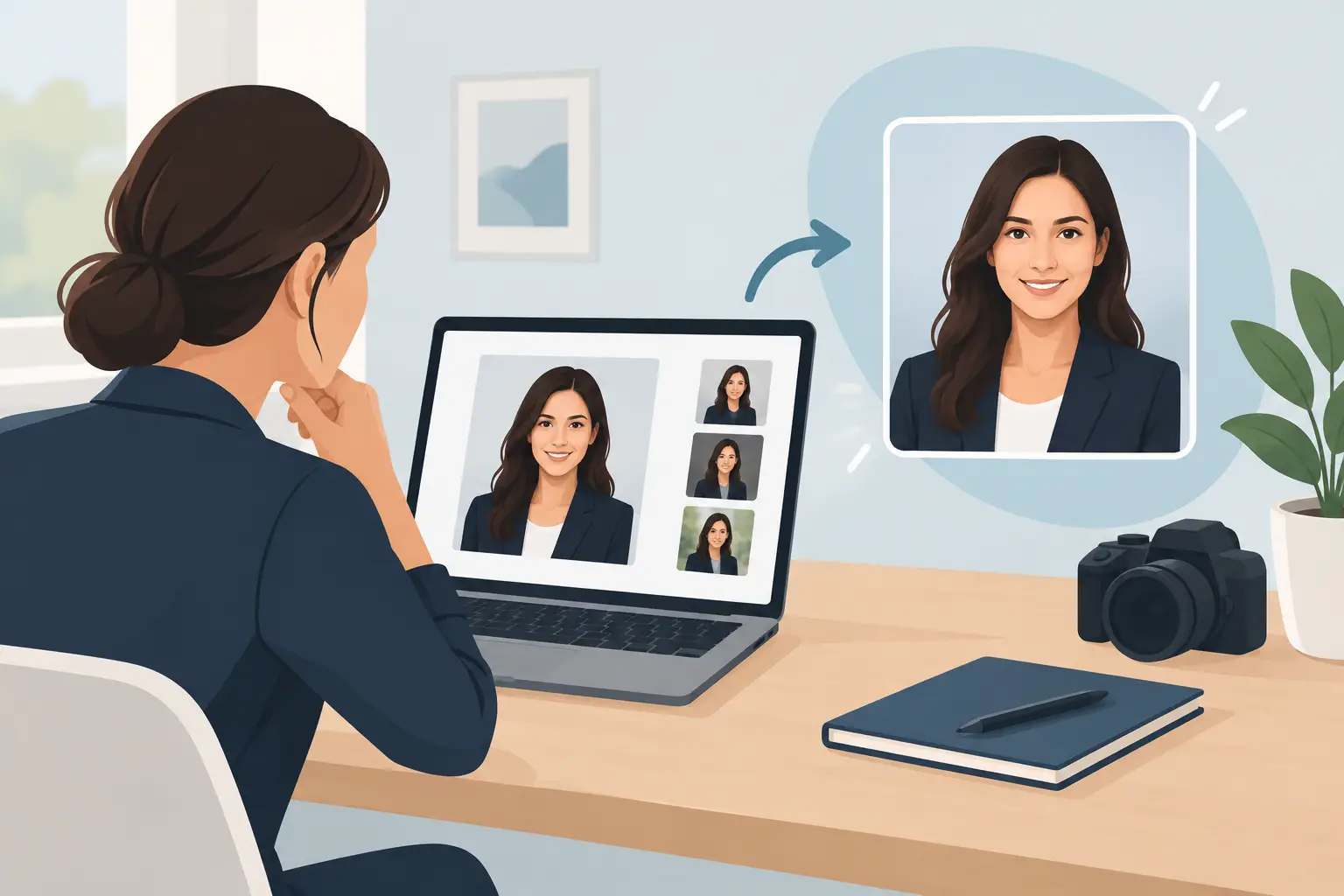
Your portfolio should not make people wonder whether it still represents you. If your hairstyle, role, brand, experience, or services have changed, it is time to learn how to update portfolio photos in a way that feels current without losing the work that still supports your goals.
For professionals, actors, models, realtors, and business owners, portfolio images are often reviewed before anyone reads a bio, resume, or proposal. A polished photo helps people see where you are now. An outdated one can quietly create doubt, even when your experience is strong.
Know When Your Portfolio Needs New Photos
There is no single rule for how often to book a new photo session. For some people, an annual update makes sense. Others may only need new images every two or three years. The right timing depends on how visible your work is and how much your appearance, services, or professional direction has changed.
A new session is worth considering when your current photos no longer look like you on an average workday. Changes in hair color, length, facial hair, glasses, fitness, style, or age can all affect whether an image feels accurate. This matters especially for actors and models, where casting teams expect an honest, current representation.
You may also need new portfolio photos after a career shift. A job seeker moving into leadership, a realtor building a personal brand, or an entrepreneur launching a new service needs images that match the next stage of their work. A casual photo that suited an early-stage business may not communicate the same confidence once you are pitching larger clients or leading a team.
Start With the Job Your Photos Need to Do
Before choosing outfits or searching for old files, decide what the updated portfolio is meant to accomplish. The best images are not simply flattering. They are useful.
A corporate professional may need a clean headshot for LinkedIn, a company bio, and speaking opportunities. A creative professional may need a mix of polished portraits and environmental images that show their personality. Actors often benefit from a strong, natural headshot that lets casting teams focus on expression and type. Models may need clear images that show range without heavy styling hiding their features.
Think about where each photo will appear. A small profile image needs a close, expressive crop. A website banner may need more space around you. Social media, press features, business cards, and marketing materials can each call for slightly different framing. Planning these uses before the session helps you request the right variety rather than trying to make one image work everywhere.
Choose a Clear Direction
Look at your current portfolio as a stranger would. What does it say about your work, personality, and level of experience? Then compare that message with where you want to go next.
If you are a financial advisor, an image that feels polished and approachable may be more effective than a highly dramatic portrait. If you are an actor pursuing comedic roles, your expression and styling should still feel natural while supporting that casting direction. For a business owner, brand photos can show professionalism without looking overly formal or stiff.
The goal is not to copy another person’s portfolio. It is to create photos that make sense for your audience and feel believable for you.
How to Update Portfolio Photos Without Starting Over
Updating does not always mean deleting every existing image. A strong portfolio often includes a combination of proven work and new photographs. The key is to be selective.
Start by removing images that are visibly dated, poorly lit, heavily filtered, or inconsistent with your current direction. If an old image still looks like you and supports the work you want, it may be worth keeping. A photo does not need to be brand new to be effective, but it should not create confusion about who you are today.
Next, identify the gaps. Perhaps you have several close-up headshots but no images that show you working in your space. Maybe your portfolio has polished studio photos but nothing that feels relaxed enough for social media or personal branding. A thoughtful update fills those gaps instead of repeating the same pose, crop, and outfit.
For most people, a small set of versatile, professionally edited images is more valuable than dozens of similar shots. Quality makes it easier for potential clients, employers, or casting teams to quickly understand your value.
Plan Your Session Around Variety
A good photo session should give you options without making the process complicated. Two or three outfits can create enough variety for most portfolio updates. Choose clothing that fits well, feels comfortable, and reflects the level of professionalism expected in your field.
Avoid selecting outfits only because they are trendy. Trends move quickly, while portfolio photos should remain useful for a reasonable period. Solid colors, clean lines, and simple layers usually photograph well. Small patterns can work, but busy prints, oversized logos, and clothing that needs constant adjusting can pull attention away from your face.
Bring options, then narrow them down with your photographer. A photographer who provides practical coaching can help you choose colors, necklines, and layers that work with the background and your intended use.
Let Your Expression Do Some Work
Many people worry that they do not know how to pose. You do not need to arrive with a list of poses memorized. In fact, overthinking can make photos look rigid.
The most useful portfolio photos usually come from small adjustments: shifting your shoulders, changing your eyeline, relaxing your hands, or moving your weight slightly. A skilled photographer will guide you through these details and watch for the expressions that feel natural, engaged, and confident.
This is why a comfortable session experience matters. When you feel rushed or unsure, it can show in the images. Give yourself enough time to settle in, ask questions, and get used to being in front of the camera.
Match the Location to Your Brand
Studio photography offers control, consistency, and a clean professional finish. It is a strong choice for corporate headshots, resume photos, actor headshots, and images that need to work across several platforms.
On-location photography can add context. A realtor may benefit from photos in a bright, professional property setting. An entrepreneur might choose their office, workshop, or client-facing space. Environmental portraits can help people understand the kind of work you do before they read a word.
There is a trade-off. A location can add personality, but it can also become distracting if the background is cluttered or unrelated to your work. Choose a setting that supports your message rather than competing with it. For clients in Cambridge, Kitchener, Waterloo, and Guelph, a flexible studio or on-location session can make it easier to create images that suit both professional and personal branding needs.
Update Every Place Your Photos Appear
A portfolio refresh loses value if your old headshot remains on your LinkedIn profile, company website, email signature, speaker bio, and social accounts. Once you receive your final edited images, set aside time to update the places where people are most likely to find you.
Use the same main portrait across your most important professional profiles when consistency matters. People should be able to recognize you from one platform to the next. Then use supporting images where a little more personality or context is helpful.
Keep your original high-resolution files organized in a dedicated folder, along with web-sized versions if provided. Labeling images by purpose, such as “LinkedIn headshot” or “website banner,” saves time when you need a photo quickly for a new opportunity.
Do Not Wait for the Perfect Moment
People often delay updating portfolio photos because they want to lose weight, finish a project, change their wardrobe, or feel more camera-ready. Those feelings are understandable, but waiting too long can leave you represented by images that no longer support your goals.
Professional photography is not about pretending to be someone else. It is about showing up as your best current self, with good lighting, thoughtful direction, and final images that are carefully edited. A relaxed, well-planned session can make the process much easier than expected.
Your portfolio should grow with your career. Choose photos that feel like you now, make room for where you are headed, and give people a clear reason to remember you.