
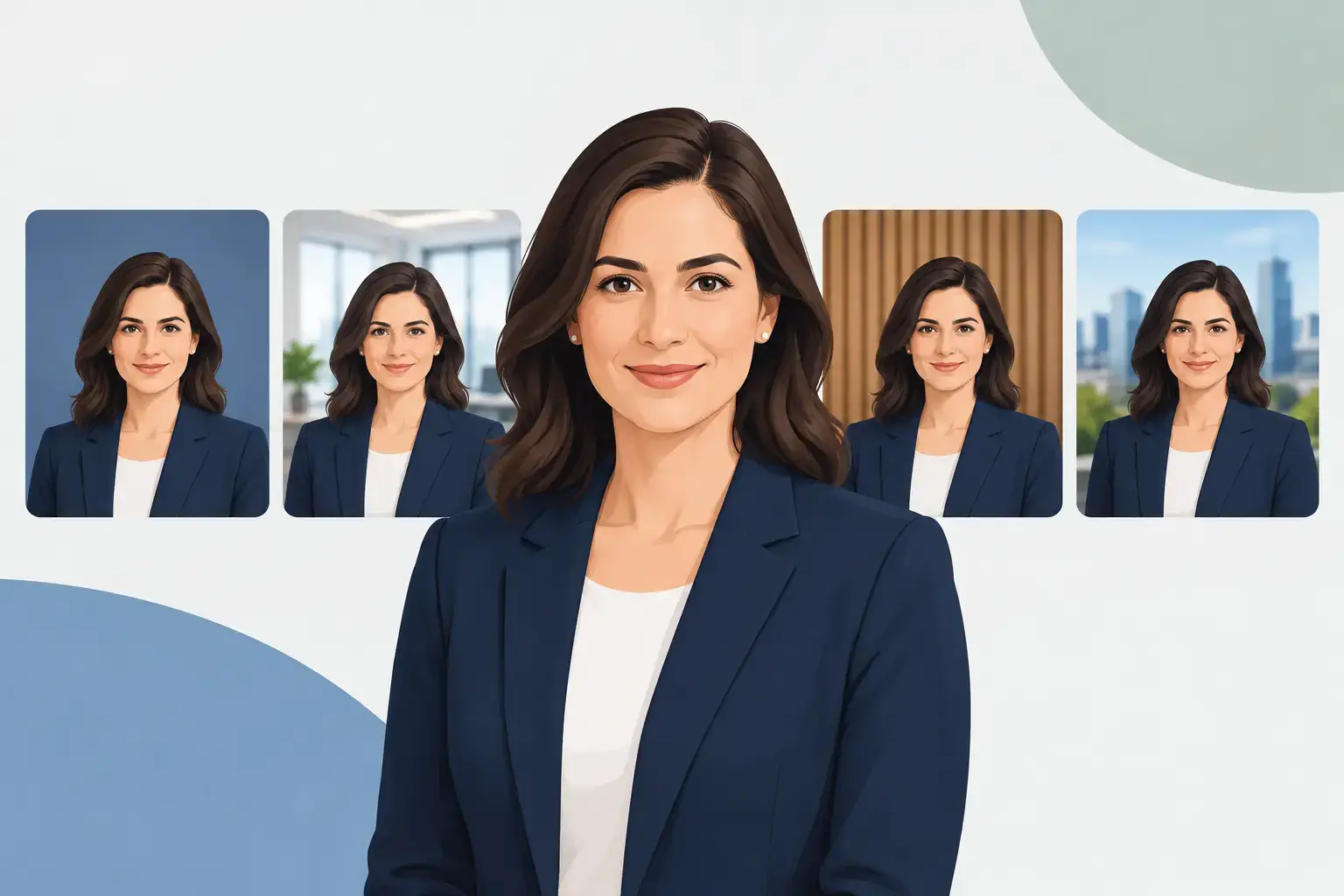
A great executive headshot can lose impact when the background sends the wrong message. The best headshot backgrounds for executives keep attention on the person while quietly supporting their role, industry, and level of professionalism. The goal is not to find the most interesting wall or the most expensive-looking office. It is to choose a setting that makes you look credible, approachable, and ready for the opportunities attached to your image.
For a LinkedIn profile, company website, speaker bio, or board announcement, the right background should feel intentional without competing with your expression. It should also work with your clothing, skin tone, and brand colors. A professional photographer can guide those decisions before the camera comes out, which saves a lot of second-guessing later.
What Makes an Executive Headshot Background Work?
An executive background needs to be clean, controlled, and relevant. That does not mean it has to be plain. It means every element in the frame has a job: to create depth, establish context, or reinforce a polished first impression.
The strongest backgrounds usually have three qualities. They are visually simple, slightly separated from the subject, and consistent with where the image will appear. A busy restaurant patio, cluttered desk, or overly detailed mural may look interesting in person, but it can become distracting in a small profile image.
Lighting matters just as much as the location. A skilled photographer can soften a plain background, blur an office setting, or use light to create separation between you and the scene behind you. This is why a simple space can produce a much stronger image than a visually impressive but poorly lit location.
Best Headshot Backgrounds for Executives by Style
Neutral studio backgrounds
Neutral gray, warm beige, charcoal, off-white, and soft black are reliable choices for executive portraits. They keep the image focused on your face and clothing, work well across industries, and tend to age well as your role changes.
Gray is especially versatile. A light gray background often feels approachable and modern, while a darker gray can add authority and polish. Black can create a more dramatic look, but it needs thoughtful lighting and wardrobe coordination so the photo does not feel overly formal or lose detail in dark clothing.
A studio background is an excellent fit for executives who need a clean, consistent image for corporate websites, media profiles, team directories, and LinkedIn. It also makes sense when several leaders need coordinated portraits for the same organization.
Bright, softly textured walls
A white or light neutral wall can feel fresh, open, and contemporary. The key is choosing a wall with subtle texture rather than visual clutter. Soft concrete, clean plaster, pale brick, or a simple architectural surface can add dimension without pulling attention away from the subject.
This approach works particularly well for consultants, tech leaders, startup founders, and professionals with a modern personal brand. It can feel less formal than a traditional studio setup while still looking polished.
The trade-off is that a bright wall needs proper exposure. If it is too bright or too flat, the final image can look washed out. Good lighting and a slight separation between you and the wall help maintain shape, contrast, and a natural skin tone.
Modern office environments
A well-designed office can add useful context to an executive headshot. Glass walls, clean meeting rooms, tasteful wood finishes, and softly blurred workspaces suggest leadership, collaboration, and an established business presence.
For many executives, this is the best choice when the headshot is mainly for a company website or internal communications. It shows where you work without making the image feel like a casual snapshot. A photographer will usually position you away from desks, monitors, and high-traffic areas so the background stays calm and flattering.
Not every office is the right office backdrop. If the space is cramped, heavily branded, dim, or full of paperwork, a studio-style setup or a different area of the building may produce a better result. Context should support your credibility, not document every detail of your workplace.
Architectural and urban settings
Clean exterior architecture can give an executive headshot energy and depth. Think modern building lines, neutral stone, glass, understated entrances, or a well-kept downtown setting. These backgrounds can feel confident and current, especially for real estate professionals, entrepreneurs, financial advisors, and leaders who work across multiple locations.
Outdoor headshots do require more flexibility. Bright sunlight, wind, seasonal changes, and pedestrian traffic can affect the session. The background should be recognizable as professional without being so specific that the photo dates quickly or limits how you can use it.
A blurred architectural setting often works better than a wide environmental portrait. Your face should remain the focal point, even when the setting adds personality.
Natural greenery
Greenery can make an executive portrait feel approachable, grounded, and less corporate. A controlled outdoor setting with trees, landscaped walkways, or soft foliage can suit leaders in health care, education, nonprofit work, wellness, and community-focused organizations.
The best results come from backgrounds with even tones and limited visual noise. Patchy sunlight and overly bright green leaves can reflect unwanted color onto skin, so this option benefits from careful timing and professional lighting.
Natural backgrounds are not automatically casual. With a tailored outfit, confident posture, and clean composition, they can still look executive-level. They simply communicate warmth in a different way than a dark studio backdrop or glass office setting.
Match the Background to Your Industry and Brand
There is no one background that works for every executive. A corporate attorney may want a refined gray studio portrait or a sophisticated office environment. A realtor may benefit from bright architecture or a clean, modern interior. A founder building a personal brand may choose a relaxed workspace or urban backdrop that feels more individual.
Start with where the photo will be used most often. If it will appear beside other corporate leadership portraits, consistency usually matters more than personal preference. If you are using it for speaking engagements, consulting, or your own business, you may have more room to show your personality.
Your wardrobe should be part of the decision. Dark navy, black, and charcoal clothing generally stand out well against lighter backgrounds. Lighter jackets and shirts often work best against mid-tone or darker settings. Avoid choosing a background that closely matches your outfit, since you want clear visual separation rather than a blended silhouette.
Brand color can also play a role, but subtlety is usually better than a literal match. A background with a faint complementary tone can feel cohesive. A bright wall in the exact color of your logo can easily become distracting or make the image look overly promotional.
Background Choices That Often Create Problems
Some backgrounds are harder to use than they appear. A bookshelf can be effective for a thought-leadership portrait, but only if it is organized and not visually crowded. A city street can look dynamic, but signage, traffic, and passersby may compete for attention. A home office can be practical, yet it needs to look intentional rather than improvised.
Be cautious with highly patterned walls, vivid artwork, fake-looking digital backdrops, and large windows with harsh light. These choices can date a headshot quickly or create technical issues that editing cannot completely solve.
The same goes for overly blurred backgrounds. A small amount of softness helps keep attention on you. Too much blur can look artificial, particularly around hair, glasses, or shoulders. A professional result should feel polished, not processed beyond recognition.
Plan for More Than One Use
Executives often need more than one crop or style from the same session. A vertical composition may work best for LinkedIn and speaker materials, while a wider horizontal image may suit a company website banner or press feature. Your chosen background should give the photographer enough room to create those options.
It can also be useful to capture two background styles during one session: a clean studio look for formal corporate use and an environmental option for personal branding. This gives you flexibility without making your public image feel inconsistent.
At RP Photography, sessions are designed to feel comfortable and guided, especially for people who do not spend much time in front of a camera. Small adjustments to posture, expression, lighting, and background placement make a noticeable difference in the final image.
The right background should never make you feel like you are playing a role. Choose one that reflects the level of professionalism you have earned, then let a relaxed expression and confident presence do the rest.