
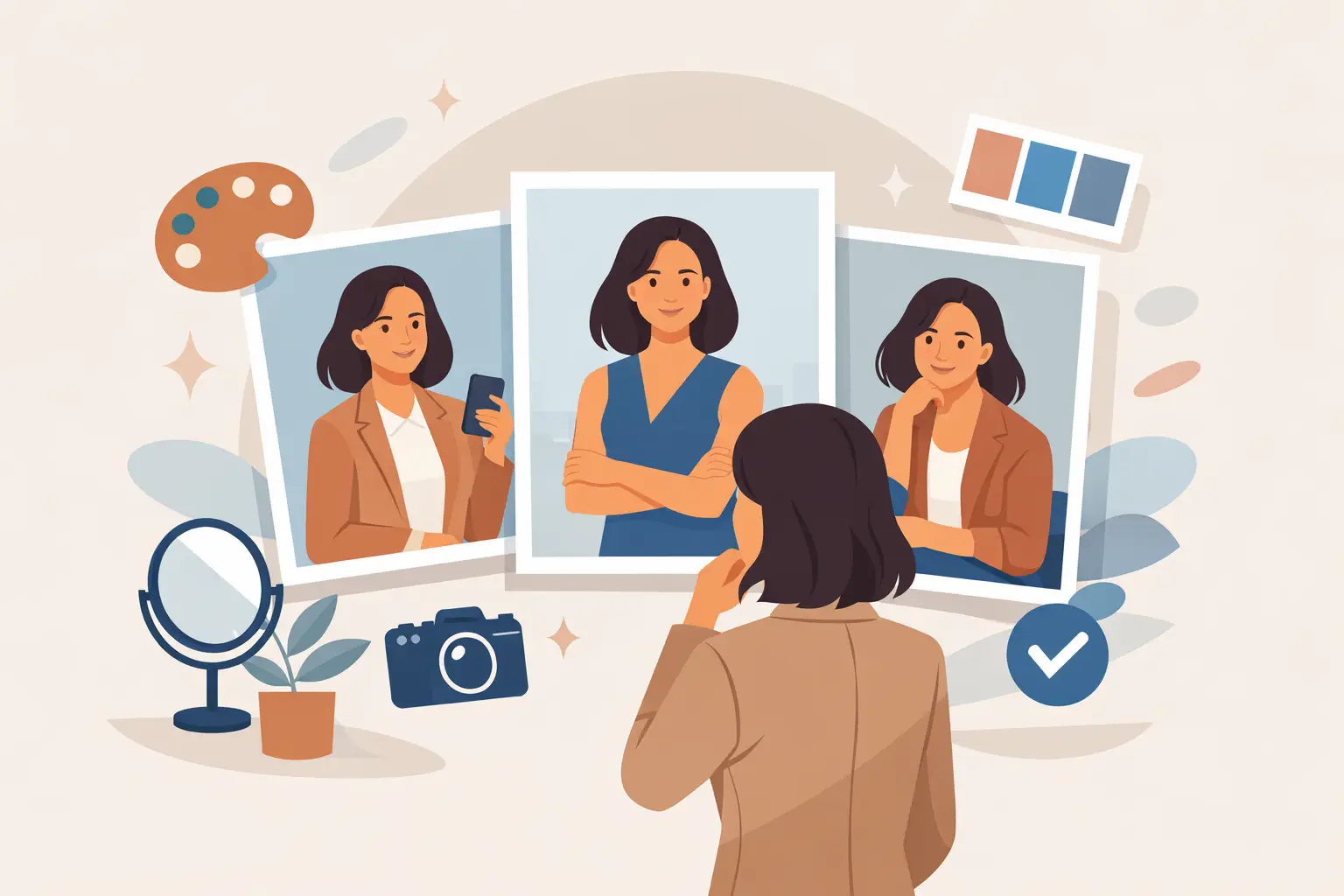
A branding portrait has a job to do before anyone reads your bio, opens your resume, or schedules a call. It needs to show people that you are credible, approachable, and right for the work you offer. Knowing how to choose branding portraits starts with deciding what you need your images to communicate, not simply choosing the first photo where you like your smile.
For a realtor, that may mean polished, friendly images that help clients feel comfortable reaching out. For a consultant or business owner, it may mean confident portraits that look at home on a website, presentation, and LinkedIn profile. For an actor or creative professional, personality and range may take more of the lead. The right choice depends on your audience, your industry, and where the photos will appear.
Start With the Purpose of Your Photos
Before booking a session or selecting final images, make a short list of where you will use your portraits. A single head-and-shoulders photo may be enough for a LinkedIn profile, but a personal website, marketing campaign, speaker page, or social media plan often needs more variety.
Think beyond your profile image. You may need a clean horizontal portrait with space for website text, a vertical image for social media, a close-up for business cards, and a few wider images that show you working or interacting with your environment. Choosing portraits with these uses in mind prevents you from ending up with several nearly identical photos that only work in one place.
The goal is consistency, not sameness. Your photos should feel like they belong to the same professional brand while giving you practical options for different formats.
Decide What You Want People to Feel
Strong branding portraits are not only about looking polished. They help shape a first impression. Ask yourself what you want a potential client, employer, casting professional, or colleague to feel when they see your photo.
Do you want to come across as calm and trustworthy? Energetic and creative? Experienced and direct? Warm and easy to talk to? These qualities affect everything from your expression to the background and clothing you choose.
A financial professional may benefit from a clean, confident portrait with simple styling and steady eye contact. A wellness coach may want a lighter setting and more relaxed body language. Neither approach is better. The right approach is the one that supports the type of relationship you want to build with your audience.
Be careful not to copy another person’s brand too closely. A photo can be professionally styled without feeling overly formal, and it can feel friendly without looking casual or unprepared. The best portraits leave room for your real personality.
Match the Setting to Your Brand
Studio and on-location portraits can both work well. Your choice should be based on the message you need to send and the places where the photos will be used.
A studio session gives you a controlled setting, consistent lighting, and a clean background that keeps the focus on you. This is a practical choice for corporate headshots, LinkedIn images, team photos, and anyone who wants a timeless, professional look. A neutral background is also easy to use across websites, company directories, and marketing materials.
An on-location session can add context. A realtor might be photographed in a bright, modern interior or an outdoor neighborhood setting. An entrepreneur may prefer their office, workspace, or a location that reflects the service they provide. These images can make a website or social media feed feel more personal and complete.
The trade-off is that location adds visual detail, and not all detail helps. Busy backgrounds, harsh overhead lighting, or a space that does not reflect your current brand can distract from the image. Choose a location because it adds meaning, not just because it looks interesting.
For professionals in Cambridge, Kitchener, Waterloo, and Guelph, a flexible photographer can help you weigh whether a studio setup, workplace session, or outdoor location makes the most sense for your goals.
Choose Clothing That Supports, Not Competes
Your clothing should look intentional, comfortable, and aligned with the level of professionalism your audience expects. You do not need to wear something completely different from your everyday work style. In fact, you usually should not. If you never wear a suit, a very formal suit may make you look unlike yourself. If your clients expect a polished corporate appearance, however, a casual T-shirt may send the wrong signal.
Start with solid colors or subtle textures. Mid-tone colors, navy, deep green, burgundy, soft blue, and warm neutrals often photograph well. Avoid very small patterns, visible logos, overly shiny fabric, or clothing that bunches easily. These details can pull attention away from your face.
Bring a few options when possible. A jacket can create a more formal look, while removing it can give you a second, more relaxed option without changing the entire feel of the session. Necklines, sleeves, and fit matter because they influence how comfortable and confident you feel when posing.
Most importantly, choose clothes that fit well right now. Branding portraits should represent the professional you are today, not the version of you you think you are supposed to be.
Look for Expression and Body Language, Not Just a Perfect Pose
Many people choose a favorite image based on whether they look thin enough, serious enough, or perfectly posed. Those concerns are understandable, but they can cause you to overlook what makes a portrait effective: connection.
A strong branding image usually has relaxed posture, natural eye contact, and an expression that fits the intended use. A slight smile can feel welcoming and capable. A more neutral expression may work for certain executive, editorial, or creative uses. What matters is whether the expression feels believable.
This is where professional coaching makes a real difference. You do not need to know how to pose before your session. A good photographer will guide your stance, shoulders, hands, chin angle, and expression so you look comfortable rather than staged. Small adjustments can change a photo from stiff to confident.
When reviewing your final gallery, do not ask only, “Do I look good?” Also ask, “Would I trust this person?” and “Does this look like me on a good day?” The best image often feels natural before it feels dramatic.
Select a Mix of Close-Up and Environmental Images
If you are investing in branding portraits, choose more than one type of image. Your primary headshot should be clear and current, with your face easy to recognize even at a small size. This is the image that works hardest on LinkedIn, company pages, directories, and professional profiles.
Then consider supporting images that give you more room to market your work. A waist-up portrait can work well for newsletters and social posts. A horizontal image with open space beside you gives a designer room to add text. Environmental portraits, where you are in an office, workspace, or relevant setting, can help tell a broader story on your website.
You do not need dozens of images to build a useful library. You need a thoughtful selection with different crops, expressions, and orientations. A photographer can help plan this before the session so the final images are built around real uses rather than random variety.
Pay Attention to Editing Style and Image Quality
Professional editing should help you look rested, polished, and like yourself. It should not make you look unrecognizable. Heavy skin smoothing, extreme whitening, or overly dramatic filters can date quickly and may create a disconnect when someone meets you in person.
Look for a clean editing style with natural skin texture, balanced color, and consistent lighting. Your final images should look professional on a large website banner and still feel authentic on a phone screen.
It is also worth asking what is included after the session. Fully edited final images matter because the details are where a professional portrait comes together. Retouching, color correction, cropping, and delivery formats all affect how ready your photos are for immediate use.
Choose Portraits That Can Grow With Your Business
Your branding portraits should support where your career or business is headed, while still being honest about where you are now. If you are launching a new service, moving into leadership, or refreshing an outdated website, your photo choices can signal that change.
That does not mean every portrait needs to look highly formal or aspirational. It means your images should feel current, clear, and appropriate for the opportunities you want to attract. A well-planned session gives you more than a nice photo. It gives you a practical set of visual tools you can use with confidence.
The right branding portraits make it easier for people to recognize your professionalism before they meet you. Choose images that feel like you at your best, then put them to work wherever your next opportunity begins.